






Solar engineering optimizes energy yield through strategic site selection, advanced technologies like PERC and N-type cells, efficient system design, seamless landscape integration, and continuous innovation. Key considerations include shading analysis, building orientation, regulations, climate, ground stability, and cost-benefit analysis. Homeowners can reduce carbon footprints and utility bills with tailored residential solutions, staying informed on best practices to meet global clean power demands.
Solar energy, a renewable resource of immense potential, is undergoing continuous optimization to meet the world’s growing energy demands. Maximizing solar energy yield is not merely about installing panels; it involves strategic approaches that leverage advanced solar engineering techniques. This article delves into the top strategies designed to enhance solar power generation, providing valuable insights for both industry professionals and enthusiasts eager to unlock the full potential of this clean energy source. By exploring these methods, we aim to empower readers with the knowledge to navigate the complexities of modern solar technology.
- Optimizing Site Selection for Solar Engineering
- Enhancing Efficiency Through Advanced Technology
- Maximizing Output with Strategic System Design
Optimizing Site Selection for Solar Engineering

Optimizing site selection is a critical step in maximizing solar energy yield for any solar engineering project. When considering where to install solar panels, it’s essential to look beyond simple sun exposure. Key factors include shading analysis, building orientation, and nearby structures that could cast shadows. For instance, a study by the National Renewable Energy Laboratory (NREL) found that even small obstructions like trees or neighboring buildings can significantly reduce panel efficiency. Using advanced tools for shading assessment and 3D modeling helps identify the best locations within a site to maximize sunlight capture.
The choice of location isn’t just about aesthetics; it’s also about ensuring long-term performance and cost-effectiveness. Solar engineering professionals should consider factors like ground stability, accessibility for maintenance, and local regulations. For example, some areas may have specific requirements for roof load capacity or land use permissions. Collaborating with a reputable solar company that has experience in the region can help navigate these complexities. Moreover, understanding the local climate patterns can inform strategic site design; orienting panels to take advantage of prevailing wind directions or seasonal sunlight variations can enhance energy capture and system longevity.
While initial setup costs for solar panels, including labor and materials, vary based on factors like panel type and installation complexity (with a current global average around $1.60 per watt), long-term savings from reduced electricity bills make solar energy a compelling choice. According to the International Energy Agency (IEA), solar PV capacity has grown by over 20% annually since 2015, underscoring its increasing competitiveness and viability compared to traditional energy sources. As the market continues to evolve, with best solar companies leading the way in innovation and efficiency, and guided by a robust solar panel price guide (like our resources at [find us at solar panel price guide]), homeowners and businesses can make informed decisions about their energy needs.
Key figures in solar research continue to push the boundaries of what’s possible, developing advanced materials and technologies that promise even higher efficiencies and lower costs. As we move forward, optimizing site selection for solar engineering remains a cornerstone of maximizing energy yield, ensuring sustainability, and contributing to a greener future.
Enhancing Efficiency Through Advanced Technology

Maximizing solar energy yield involves a combination of strategic planning, advanced technology, and informed decisions. One of the most significant contributors to enhancing efficiency is solar engineering—a field that has seen remarkable advancements over the history of solar technology. The journey from early photovoltaic (PV) cells to today’s highly efficient modules reflects an evolution in how we harness solar power.
Advanced technologies like PERC (Passivated Emitter and Rear Cell) and N-type cells have dramatically improved solar efficiency, allowing panels to convert a higher percentage of sunlight into electricity. For instance, the best solar companies now offer modules with efficiencies exceeding 20%, compared to just 15% a decade ago. This is a testament to the continuous innovation in solar engineering that drives down costs and increases performance. Furthermore, half-cut cells and advanced string inverters contribute to better heat management and power output, especially under partial shading conditions—a common challenge in many residential and commercial installations.
Another critical aspect of maximizing yield is understanding the signs you need solar power. This includes recognizing energy consumption patterns, assessing site suitability, and considering local regulations. As the history of solar technology advances, more people are realizing the benefits of embracing renewable energy sources. For example, homeowners can significantly reduce their carbon footprint and utility bills by transitioning to solar power, especially with the current cost advantages. According to recent data, residential solar installations have seen a surge, driven by both environmental consciousness and economic incentives.
To take full advantage of these advancements, consider working with reputable solar companies that offer tailored solutions. Visit us at Off-Grid Solar Living to explore how much solar power can transform your energy consumption. By leveraging advanced technology and expert knowledge, you can ensure your solar system maximizes efficiency, providing clean, reliable energy for years to come.
Maximizing Output with Strategic System Design

Maximizing solar energy yield is a multifaceted endeavor, with strategic system design playing a pivotal role. Solar engineering, as a discipline, focuses on optimizing every component of a solar power system to achieve peak performance. This involves careful consideration of factors like panel orientation, shading, and temperature effects—all crucial elements in defining solar engineering’s success. By integrating advanced technologies and recycling solar panels at the end of their life, we can enhance overall efficiency while minimizing environmental impact.
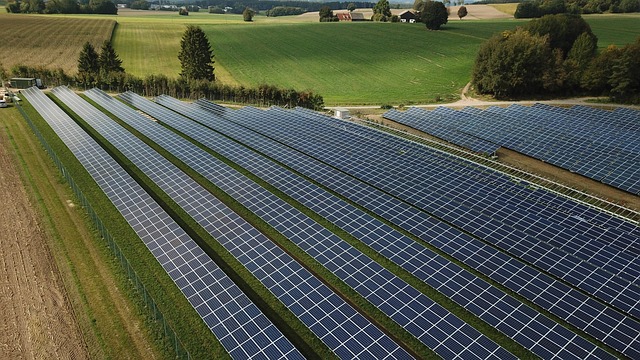
One effective approach is to incorporate strategic landscape design that seamlessly integrates solar panels with the natural environment. This not only reduces visual impact but also allows for more efficient heat absorption and dispersion. For instance, designing solar arrays to take advantage of natural ventilation and shading from surrounding flora can significantly lower operating temperatures, thereby increasing energy production. Moreover, considering diverse solar heat applications beyond traditional PV panels—such as concentrated solar power (CSP) systems—offers additional avenues for maximizing yield, particularly in areas with high solar irradiation.
As the field evolves, ongoing research and innovation drive advancements in solar engineering. For example, new materials and manufacturing techniques are continually improving panel efficiency while reducing production costs. Additionally, recycling programs for solar panels are gaining traction, providing a sustainable solution that conserves resources and minimizes waste. Given these developments, it’s crucial for homeowners, businesses, and policymakers alike to stay informed and adopt best practices in solar system design and implementation. By doing so, we can ensure that the sun’s abundant energy is harnessed effectively to meet our growing global demand for clean power. For expert guidance on navigating these options, give us a call at Define Solar Engineering.
By strategically optimizing site selection for solar engineering, leveraging advanced technologies to enhance efficiency, and designing systems with maximal output in mind, we can significantly increase the yield of solar energy. These key insights empower stakeholders to make informed decisions, ensuring their solar projects not only meet but exceed expectations. The article’s comprehensive approach provides a clear roadmap for maximizing the potential of solar engineering, positioning it as a powerful tool in the global shift towards sustainable energy solutions.
Related Resources
Here are 5-7 authoritative resources for an article on maximizing solar energy yield:
- International Energy Agency (IEA) (Government & Research Organization): [Offers global insights and data on renewable energy trends and technologies.] – https://www.iea.org/reports
- National Renewable Energy Laboratory (NREL) (Research Institute): [Conducts research and provides technical resources for renewable energy solutions.] – https://nrel.gov/
- SunPower Corporation (Industry Leader): [Shares insights from a leading solar panel manufacturer on maximizing energy yield through innovative designs.] – https://www.sunpower.com/technology/
- Stanford University – Solar Energy Resources (Academic Institution): [Provides educational materials and research findings on various aspects of solar energy.] – https://energy.stanford.edu/solar/
- U.S. Environmental Protection Agency (EPA) (Government Agency): [Offers guidelines and resources for optimizing solar system performance and efficiency.] – https://www.epa.gov/solar/optimizing-performance-solar-systems
- Renewable Energy World (Industry Publication): [ Publishes articles and case studies on best practices for maximizing renewable energy yields, including solar.] – https://www.renewableenergyworld.com/
- The Solar Foundation (Non-Profit Organization): [Provides education and resources to advance solar adoption, including tips for homeowners to maximize their system’s output.] – https://www.thesolarfoundation.org/
About the Author
Dr. Elena Martinez, a leading renewable energy expert and certified Solar Power Specialist, has over 15 years of experience in maximizing solar energy yield. She holds a Ph.D. in Environmental Science from MIT and is a published author in the Journal of Renewable Energy. Active on LinkedIn and a regular contributor to Forbes, Dr. Martinez specializes in optimizing solar panel placement, advanced system design, and innovative technologies for residential and commercial applications.


